You Survived Your Divorce. Now Don't Blow the Payout.

What to do with the money, straight from the advisor I trust with mine.

If you haven’t already, check out Family Law Fridays, the weekly Substack covering all things Colorado divorce and custody (“Allocation of Parental Responsibilities” as the state calls it). Quality, helpful insights from the Colorado Family Law Project, Maha Kamal, Esq., every Friday.
I see too many clients bungle their huge divorce payouts.
They sign off on a Separation Agreement and receive substantial retirement or pension funds via a qualified domestic relations order (QDRO). Some receive “lump sum” cash payouts, either directly from their ex-spouse or through the sale of a marital home. (A QDRO, “qew-droh,” or “qwa-droh,” however you pronounce it, is a fancy way for the court to authorize a financial institution to split an account without fear of being sued by the account holder.)
I had a case where a client received $150k from a house sale, put it in a low-yield savings account, and could not explain where all the money went a year later. It was a tragedy. (Imagine if they’d invested even half of that in a silver ETF a couple of years back!)
The reality is, most people have no idea what to do with the investment accounts they are awarded in their divorces and don’t understand the stock market enough to consider investments or long-term financial planning. Or worse yet, they cash everything out, including that 401(k). (I wince writing that last bit. Oh, the tax hit is traumatic.)
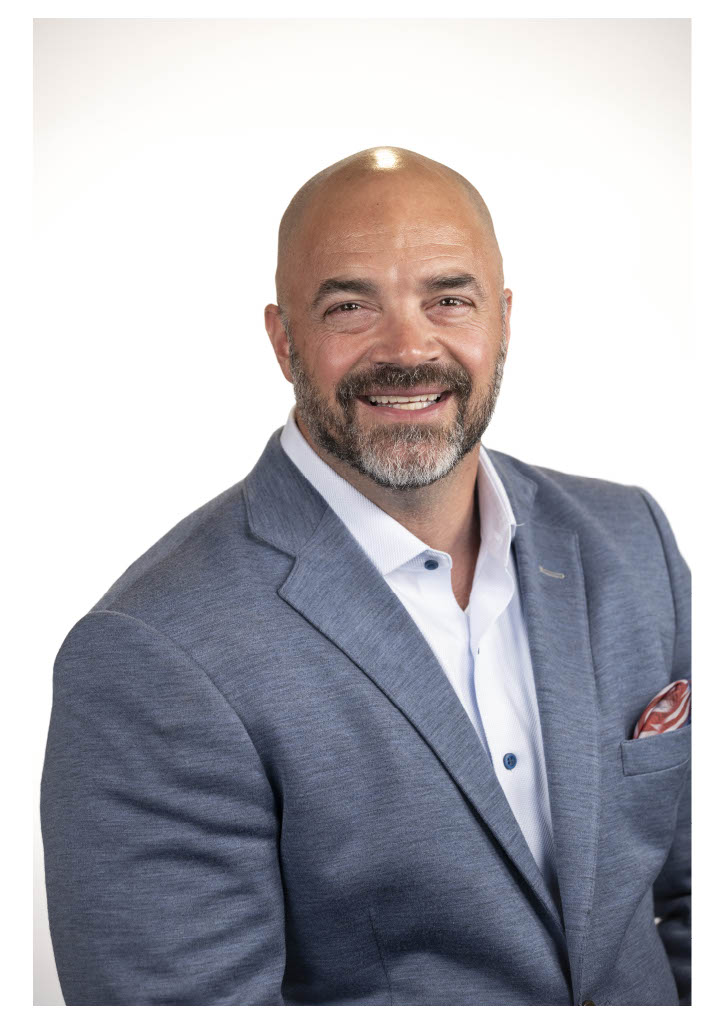
This week, I invite my long-time financial advisor (and friend), Ali Barghelame at BWA Financial, to share some insights on how a newly divorced party may want to handle large transfers of accounts and money from their separation.
Take notes. Hit “Print to PDF.” Make a checklist. Give him a call—he’s never led me astray. (Even that one time I freaked out after Russia invaded Ukraine and wanted to sell off all my investments. He gently talked me off that ledge, too.)
Congratulations, you are still standing after what was likely a difficult time in your life and an emotional rollercoaster at the very least. But what do you do next?
In most relationships, one person tends to take the lead on finances (generally, not always). If this was the case in your marriage, assess your comfort level with the recommendations below. If you are struggling with any of the items below, seek professional advice. A Certified Financial Planner is a great place to start. If you’re comfortable navigating the list on your own, go for it!
1. Take stock of where you are now.
Understand where all your assets are located, how they are invested, and the tax implications of each account.
If you have a QDRO, determine if taking money out of the retirement account penalty-free is necessary and in your best interest.
Update beneficiaries on all your accounts (including if the “new” beneficiary is your ex-spouse due to a court order).
2. Hold off for at least 90 days before making any major decisions.
It is great to start planning, but hold off on the following until you are certain they are the right decision:
Buying a new home.
Paying off all debt (this is likely a good decision, but paying interest for a couple of months while you develop your plan is okay in the long run).
Making any illiquid investments.
3. Start by assessing your risk management.
Do you have 3 to 6 months of expenses set aside (your emergency fund)?
Is your insurance adequate? Review all the following:
Property and casualty insurance
Life insurance (again, update the beneficiary as appropriate)
Disability insurance
Health insurance
4. Update your estate plan, including your will (or have one prepared if you don’t).
5. Assess your long-term goals, including retirement and any long-term children’s expenses (if they apply).
Are you on track for retirement?
If you have children, is there a plan for their education and funding it?
Are your asset allocations aligned with your long-term goals? If not, adjust them accordingly.
6. Tax Planning.
This can be a real surprise, as the single tax brackets move you into higher brackets at lower income levels compared to the married filing jointly brackets.
Coordinate with your CPA to avoid unnecessary surprises.
Are there opportunities in the tax code for you to utilize? Some areas to consider:
Roth conversions
Health Savings Accounts
Planning for the year you get to take the deduction for minor children.
7. Avoid these key mistakes:
Putting your head in the sand. This is your future, embrace it.
Assuming that “as-is” is okay. It may be, but a comprehensive review can help confirm that.
Buying too much house too soon.
Spending retirement funds to “upgrade” your lifestyle.
Ignoring long-term tax consequences.

You have been through a lot, and there is a lot here (and a good planner will bring even more questions to the table). Understand that you are now opening a new chapter in life. Go after this new chapter with all you have and let your money help you fund your dreams.
Ali Barghelame is the owner and founder of BWA Financial, a Denver-based financial planning firm that serves business owners and mass-affluent households. His work spans individual retirement investing, qualified retirement plans, asset management, and insurance planning.
Ali has held his Certified Financial Planner (CFP) designation since 2009 and holds additional designations, including ChFC, CLU, CFBS, and AIF. He earned both his undergraduate degree and MBA from the University of Denver. For several years running, he has been named one of Denver’s top Wealth Managers by both CoBiz and 5280 magazines.
A Colorado native, Ali lives in Denver with his wife Jill and their two kids. When he’s not helping clients build financial plans, he’s coaching youth basketball, snowboarding in the mountains, or surfing in San Diego.
The information provided in this article is for general informational purposes only and is not intended to provide specific advice or recommendations for any individual or on any specific security. It is only intended to provide education about the financial industry. As always, please remember investing involves risk and possible loss of principal capital; please seek advice from a licensed professional.
